Dark Triad Personality in Workplace

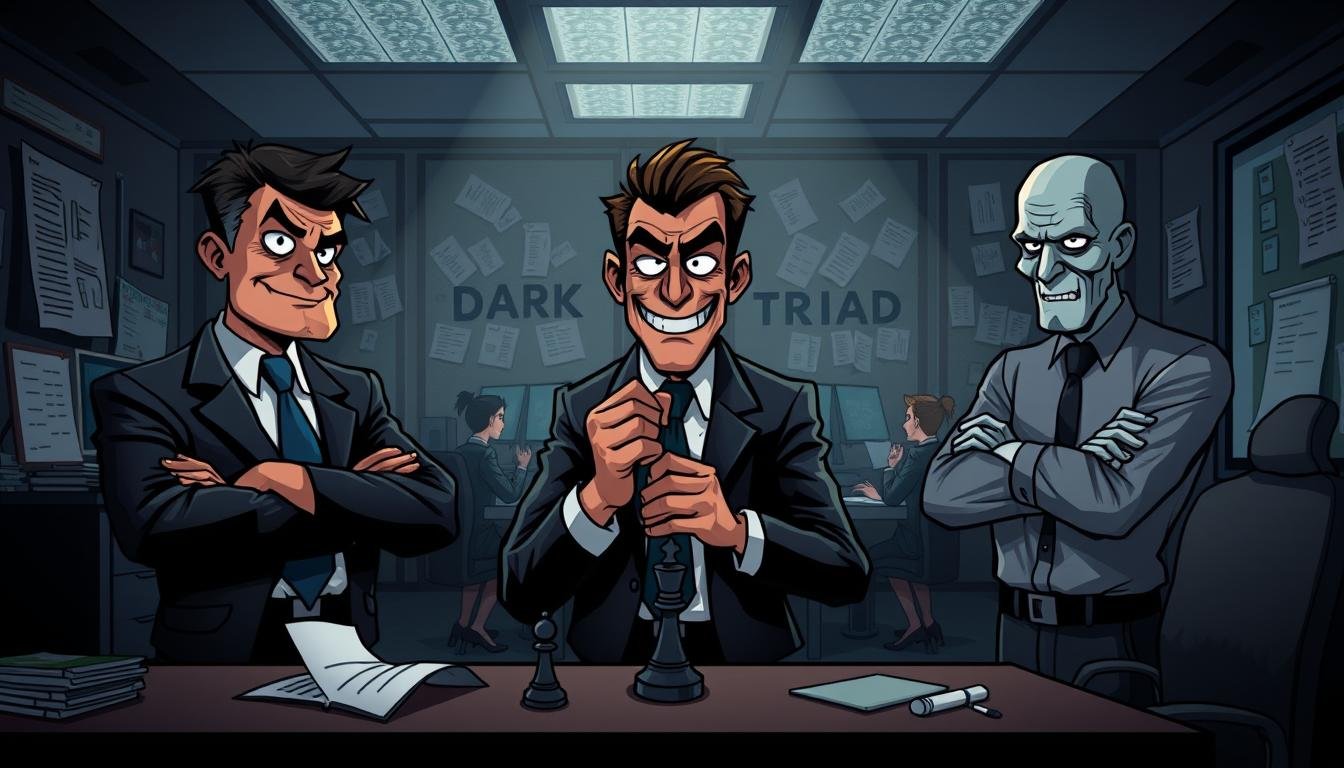
The Dark Triad personality traits have become a big topic in work psychology. These traits include narcissism, Machiavellianism, and psychopathy. They can cause harm in the workplace, like toxic leadership and manipulation. It’s important to know about these traits to keep the work environment healthy and productive.
Research by Paulhus and Williams in 2002 introduced the Dark Triad of Personality. They showed how these traits show up in work settings. While they might help in the short term, they can harm social relationships and work culture in the long run.
The Dark Triad of Personality at Work (TOP) tool helps spot these traits. It looks at self-centered, enforcement-focused, and impulsive work styles. This tool has been tested worldwide and shows consistent results in spotting workplace narcissism and related behaviors.
Key Takeaways
- Dark Triad traits include narcissism, Machiavellianism, and psychopathy
- These traits can lead to toxic leadership and manipulative behavior
- Short-term displays may have benefits, but long-term exhibition is harmful
- The TOP assessment tool evaluates Dark Triad traits in work settings
- Understanding these traits is crucial for maintaining a healthy workplace
Understanding the Dark Triad Concept
The Dark Triad concept reveals the darker side of human behavior in the workplace. It focuses on three traits that can greatly affect how we interact with each other at work.
Origins and Development of Dark Triad Theory
In 2002, psychologists Paulhus and Williams introduced the Dark Triad. They found three traits: narcissism, Machiavellianism, and psychopathy. These traits often mix together, leading to complex behaviors at work.
Core Components of Dark Personality
The Dark Triad has three main parts:
- Narcissism: This is when someone thinks they’re more important than they really are and doesn’t care about others.
- Machiavellianism: It’s about using tricks and lies to get what you want.
- Psychopathy: This includes acting on impulse, not feeling sorry for what you’ve done, and ignoring rules.
Impact on Organizational Behavior
Dark Triad traits can really mess up the workplace. People with these traits might not do their job well. They might use tricks and lies to get ahead, hurting the team and the company.
| Trait | Workplace Manifestation | Potential Impact |
|---|---|---|
| Narcissism | Self-promotion, credit-taking | Decreased team morale |
| Machiavellianism | Strategic manipulation | Erosion of trust |
| Psychopathy | Rule-breaking, lack of empathy | Increased workplace conflict |
Narcissism in Professional Settings
Narcissism in the workplace is a big problem for teams and company culture. People with this trait think too much of themselves. This can cause power struggles and harm in companies.
Signs of Workplace Narcissism
Narcissistic workers can mess up the team vibe. They might take credit for others’ work, spread rumors, and not want to work together. They always want praise and feel they deserve special treatment.
Effects on Team Dynamics
Narcissistic people can really hurt team unity. They don’t care about others and want to control everything. This can make work less productive and relationships worse. It’s like they’re trying to take over for their own benefit.
Managing Narcissistic Employees
Handling narcissistic workers needs clear rules and consequences. Leaders should watch out for rewards that might make narcissism worse. By dealing with these issues, companies can make a better work place.
“Narcissism in the workplace is like a poison that slowly erodes team spirit and productivity.”
It’s key to understand and tackle narcissism at work. By spotting the signs and using the right management, companies can overcome these challenges. This helps create a more team-focused work environment.
Machiavellian Tactics in Corporate Culture
Machiavellian behavior in the workplace is a growing concern. These individuals use manipulative behavior to gain power and control. They often view morality cynically, focusing on personal gain above all else.
Workplace narcissism and Machiavellianism share similarities. Both involve emotional exploitation and a lack of empathy. Machiavellians, however, are more strategic in their approach.
Research shows that high levels of Machiavellianism correlate with counterproductive workplace behavior. These individuals often engage in unethical actions like theft, deception, and sabotage. They’re skilled at using charm and overt manipulation to get ahead.
In leadership roles, Machiavellians can be particularly damaging. Their abusive supervision leads to low job satisfaction and negatively impacts worker well-being. They create toxic work environments, eroding trust and teamwork.
“Machiavellianism is more prevalent in men than in women.”
Dealing with Machiavellians requires caution. Set clear boundaries and focus on work-based conversations. Avoid sharing personal information and stay true to your ethical standards. Remember, these traits are often stable, so limiting interactions may be necessary for your well-being.
| Machiavellian Traits | Impact on Workplace |
|---|---|
| Cunning and manipulative | Erodes trust among coworkers |
| Lack of empathy | Creates toxic work environment |
| Strategic deception | Leads to unethical business practices |
Psychopathic Tendencies at Work
Psychopathic behaviors in the workplace can lead to toxic leadership and harmful influence. A study of 235 employees in a pharmaceutical company showed interesting findings about power and psychopathic traits.
Identifying Psychopathic Behaviors
At work, psychopathy often shows as charm, lack of empathy, and impulsiveness. The study found psychopathy linked to high cognitive stress, with a reliability of α=0.85. People with these traits might act manipulatively and ignore social rules.
Impact on Workplace Safety
Psychopathic tendencies can harm workplace safety. Those with these traits may not care about others’ safety, raising risks. The study showed psychopathy linked to high stress and emotional exhaustion among coworkers.
Risk Management Strategies
To reduce risks from psychopathic behaviors, organizations can take steps:
- Do thorough background checks during hiring
- Offer emotional intelligence training
- Set clear rules against manipulative actions
- Create secret ways for employees to report issues
- Regularly check the workplace culture and employee happiness
| Industry | Prevalence of Psychopathic Traits | Recommended Action |
|---|---|---|
| Finance and Insurance | Higher | Implement strict ethical guidelines |
| Government and Education | Higher | Enhance leadership accountability |
| Health Services | Lower | Maintain empathy-focused training |
By spotting and tackling psychopathic tendencies, companies can create a safer, more effective work place. This method lessens the bad effects of toxic leadership and encourages better power dynamics at work.
Dark Triad Personality in Workplace
The Dark Triad personality traits – narcissism, Machiavellianism, and psychopathy – can greatly affect work environments. These traits often show up as manipulative behavior, dominance, and emotional exploitation. This creates a toxic work setting.
Narcissists in the workplace are self-absorbed and crave admiration. They seek attention and show little empathy for others. Machiavellian individuals are cunning strategists who might withhold information and manipulate situations for their benefit. Psychopaths lack empathy, make risky choices, and may bully others.
Studies show that Dark Triad traits can harm job performance and lead to bad work behaviors. A study found that narcissism is linked to all engagement measures. Machiavellianism is tied to leadership and career satisfaction. But psychopathy is not.
“The Dark Triad traits in individuals can lead to high job stress, lower job satisfaction, and voluntary turnover.”
Organizations must understand how their culture might encourage Dark Triad behaviors. By using proper assessment methods and creating a respectful work environment, they can lessen these traits’ negative effects.
| Dark Triad Trait | Workplace Manifestation | Impact on Organization |
|---|---|---|
| Narcissism | Self-absorption, attention-seeking | Reduced teamwork, high turnover |
| Machiavellianism | Strategic manipulation, information hoarding | Mistrust, unethical practices |
| Psychopathy | Lack of empathy, risky decision-making | Toxic environment, workplace safety issues |
Leadership and Dark Triad Traits
Leadership styles greatly affect how teams work together. A disturbing trend has been found in the business world. Leaders with Dark Triad traits – narcissism, Machiavellianism, and psychopathy – can harm teams and organizations.
Power Dynamics and Authority
Leaders with Dark Triad traits use power for their gain. A study in Hungary and Germany showed leaders often have these traits. This might help them rise in the corporate world.
Decision-Making Patterns
Leaders with Dark Triad traits make decisions that can be risky. A study found that narcissism was linked to being tough and resilient. But, these traits can lead to poor choices and ignoring long-term effects.
Leadership Effectiveness
The effect of Dark Triad traits on leadership is complex. A study of 750 university students found narcissism was linked to leadership intentions. This means Dark Triad traits might help get to the top, but being an effective leader is uncertain.
| Dark Triad Trait | Impact on Leadership | Potential Risks |
|---|---|---|
| Narcissism | Increased confidence and charisma | Self-centered decision-making |
| Machiavellianism | Strategic thinking and manipulation | Erosion of trust within teams |
| Psychopathy | Fearless risk-taking | Lack of empathy and ethical concerns |
It’s key for companies to understand these traits. This helps them deal with the harm toxic leadership can cause to culture and employee happiness.
Impact on Employee Well-being
Dark personalities in the workplace harm employee well-being. Narcissism creates a toxic atmosphere where workers feel undervalued and exploited. This leads to increased stress and lower job satisfaction.
Leaders with dark triad traits emotionally exploit their team. Studies show that over two-thirds of employees in toxic environments report higher anxiety and depression. The constant manipulation and lack of empathy create a hostile workplace, affecting productivity and morale.
Toxic leadership often leads to higher turnover rates. Research shows companies with narcissistic leaders see up to 50% more employee resignations. This constant change disrupts team dynamics and hampers performance.
| Impact | Percentage of Affected Employees |
|---|---|
| Increased Stress Levels | 78% |
| Lower Job Satisfaction | 65% |
| Higher Burnout Rates | 52% |
| Decreased Productivity | 43% |
To fight these negative effects, organizations must focus on employee well-being. They should implement strong ethical policies, provide support systems, and foster a positive work culture. This can help reduce the impact of dark triad personalities and improve workplace health.
Performance and Dark Triad Characteristics
Dark Triad traits can greatly affect how well someone does at work. They can change how productive and quality of work are. It’s key for companies to know this to keep a good work place and real success.
Productivity Metrics
Research shows a tricky link between Dark Triad traits and work output. Some with these traits might seem very productive at first. But, their manipulative ways can hurt the team’s performance in the long run.
Those with Dark Triad traits might make it seem like they’re doing well. But, this can harm the company’s health over time.
Quality of Work Output
Studies show that Machiavellianism and psychopathy can lower job quality. These traits often focus on personal gain, not the company’s goals. This leads to work that’s not up to par.
Narcissistic employees might start strong but can’t keep it up. They’re too busy promoting themselves to focus on doing great work all the time.
Career Advancement Patterns
People with Dark Triad traits might move up fast at first. They’re charming and good at playing the power game. But, this success usually ends in career problems.
As their bad behavior shows, others start to doubt them. This makes it hard for them to move up further in their careers.
| Dark Triad Trait | Short-term Impact | Long-term Consequence |
|---|---|---|
| Narcissism | High motivation, resilience | Conflict with colleagues |
| Machiavellianism | Strategic networking | Lack of trust, isolation |
| Psychopathy | Bold decision-making | Ethical violations, turnover |
Companies need to watch out for Dark Triad traits to keep a good work place. Knowing about these traits helps companies find real talent and leaders.
Assessment and Detection Methods
Finding workplace narcissism, Machiavellian tactics, and psychopathic tendencies is hard. The Dark Triad of Personality at Work (TOP) and the Short Dark Triad (SD3) help. These tools check for self-centered work, strict rules, and impulsive actions.
It’s important for companies to work with experts when using these tools. They must follow legal and ethical rules. The aim is to spot risks and make good management plans. Tools like SkillRobo can also find negative traits in job applicants.
Studies suggest facial features might show dark traits. People can often tell if someone has high narcissism by looking at their face. But, it’s harder to see Machiavellian traits this way. Other methods, like situational tests and special interview questions, can reveal more.
The “dirty dozen” scale, created by Dr. Peter Jonason, uses 12 questions to find Dark Triad traits. It asks about manipulation and lack of guilt. Smart AI tools are getting better at finding these traits. They help make workplaces safer and more positive.
Source Links
- The Dark Triad of Personality at Work – why do organizations need to know about it?
- Know The "Dark Triad" To Prevent Workplace Chaos
- BOxD | Tackling Dark Personality Traits in the Workplace
- Perspective Chapter: The Dark Triad in the Organization – A Review of the Evidence and Future Recommendations
- Dark triad | Definition, Traits, Personality, & Causes | Britannica
- Frontiers | The Relationship Between the Dark Triad Personality Traits, Motivation at Work, and Burnout Among HR Recruitment Workers
- Narcissists in the Workplace: Signs Your Coworker or Boss Might Be One of Them
- Machiavellianism in the workplace
- Machiavellianism: What it is, how to recognize and cope with Machiavellians | CQ Net – Management skills for everyone
- Machiavellianism and Bad Behaviour in the Workplace! The Dark Triad of Personality Part 2
- The Dark Triad of Personality: Is Psychopathy a Good Predictor of Workplace Stress?
- What If You’re The Psychopath At Work
- Where a psychopathic personality matters at work: a cross-industry study of the relation of dark triad and psychological capital – BMC Psychology
- How to Identify & Protect Your Workforce from the Dark Triad
- TOP – The Dark Triad of Personality at Work (TOP) – Hogrefe – Online testing, psychometric test & training providers
- The Dark Side of High-Fliers: The Dark Triad, High-Flier Traits, Engagement, and Subjective Success
- Dark Triad Personality Traits and Workplace Outcomes: Evidence from the Hospitality Industry
- The Relationship between the Dark Triad Personality Traits and Leadership: A Literature Review The Dark Triad and Leadership
- The positive connection between dark triad traits and leadership levels in self- and other-ratings – Leadership, Education, Personality: An Interdisciplinary Journal
- The Dark Triad Personality: The Impact and How to Manage at Work – International Journal of Research and Innovation in Social Science
- Examining Dark Triad Traits in Formal Leaders and Their Impact on Employee Workplace Stress: A Comparative Study of Family and Non-Family Businesses
- Understanding Dark Personalities in the Workplace and Their Impact – Vivian McKinnon
- Why the “Dark Triad” of Personality Matters in the Workplace
- Guide to Identifying Dark Triad Test in Workplace | SkillRobo
- How to Assess Dark Personality Traits of Potential Candidates?
- What is Dark Triad and How to test a Dark Triad Personality?